
TL;DR: If your garage door won't open, start by checking the power supply, remote batteries, opener settings, and manual lock. If the door is crooked, stuck partially open, or has damaged springs or cables, stop troubleshooting and contact a professional to avoid injury or further damage.
Quick Answer: Why Won't My Garage Door Open?
If your garage door won't open, the problem could be as simple as dead remote batteries, a power interruption, or an incorrect opener setting. More serious issues, such as broken springs, damaged cables, or malfunctioning opener components, may require professional repair. Start with basic troubleshooting, but avoid forcing the door open if you notice mechanical damage or unusual noises.
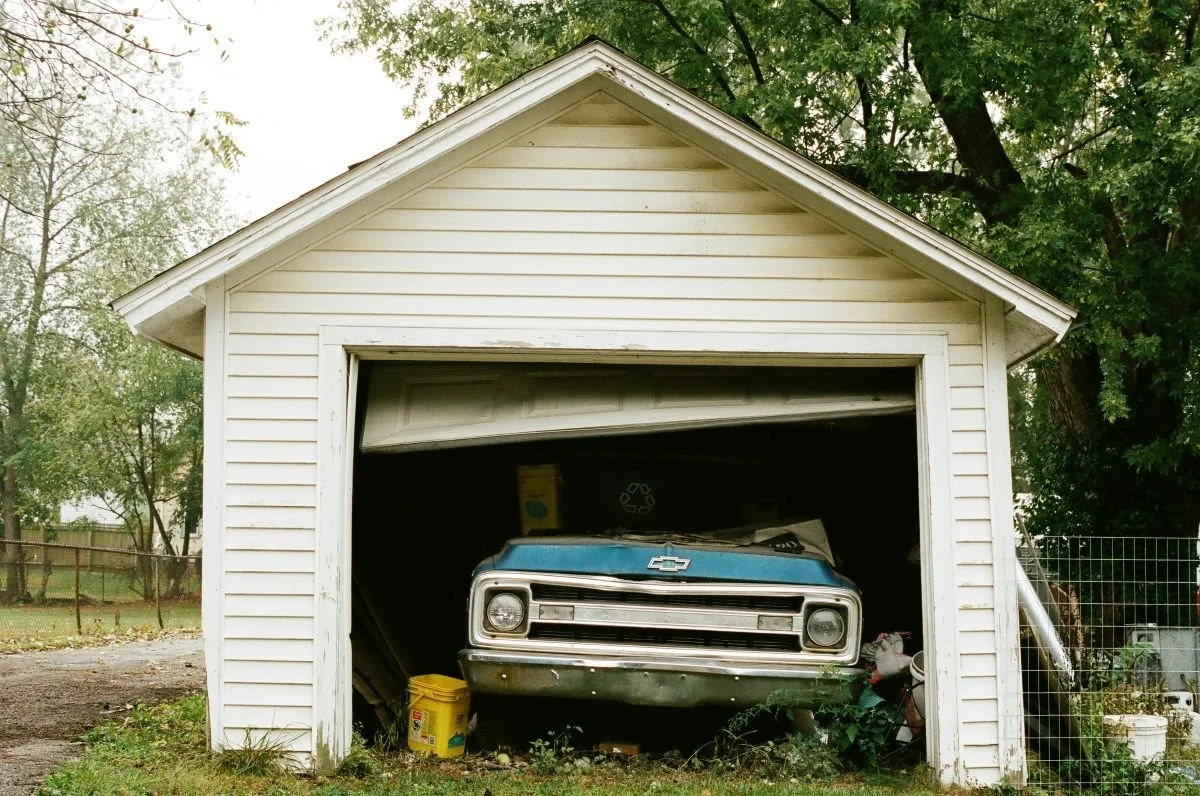
Introduction
A garage door that won't open can quickly disrupt your day, especially when your car is stuck inside and you need to get somewhere. The good news is that some garage door problems have simple solutions, like replacing remote batteries or checking the power supply. Others, such as broken springs or damaged cables, require professional attention.
Before calling a technician, there are a few things you can safely check. In this guide, we'll walk through common reasons your garage door won't open, simple troubleshooting steps you can try, and how to recognize when it's time to call a professional.
Need a garage door repair in Fredericksburg or the surrounding area? Contact Spotsylvania Garage Doors for a free estimate and straightforward advice on the right solution for your door.
Garage Door Won't Open? Start With These Quick Checks
Before assuming your garage door needs professional repair, try these simple troubleshooting steps. Some problems can be resolved in just a few minutes without any tools or technical experience.
First, a safety note: If your garage door is crooked, stuck partially open, has visibly damaged springs or cables, or makes unusual grinding or straining noises, stop troubleshooting and contact a professional. Never force a stuck garage door open.
Check the power supply. Make sure your garage door opener is plugged in and check whether a tripped circuit breaker or GFCI outlet has interrupted power.
Test the wall button. If the door responds to the wall-mounted control but not your remote, the problem may be with the remote rather than the opener itself.
Check your remote batteries and settings. Replace the remote batteries and make sure the opener's lock or vacation mode hasn't been accidentally activated.
Check the manual door lock. If your garage door has a manual slide lock, make sure it isn't engaged. Don't operate the opener against a locked door.
Look for visible obstructions or damage. From a safe distance, check for objects blocking the door's movement or obvious damage to the tracks, springs, or cables. Don't touch or attempt to adjust these components.
Garage door still won't open? If you've tried these quick checks and your door is still stuck, Spotsylvania Garage Doors can help. We provide professional garage door repair in Fredericksburg, Spotsylvania, and surrounding areas.
Garage Door Troubleshooting: Find Your Problem
If the quick checks above didn't solve the problem, the next step is to identify what's happening when you try to open your garage door. Different symptoms can point to different issues, from a malfunctioning opener to a broken spring or damaged cable.
Use the table below to narrow down the possible cause and determine your next step.
| What's Happening? | Possible Cause | What to Do |
|---|---|---|
| Garage door won't respond to the remote or wall button | Power interruption, opener malfunction, or faulty controls | Check the power supply and opener settings. If neither control works, professional diagnosis may be needed. |
| Garage door opener runs, but the door doesn't move | Disconnected trolley, damaged opener components, or broken spring | Stop operating the opener and visually check for damage. Contact a professional if the cause isn't clear. |
| Garage door opens a few inches, then stops | Broken spring, binding tracks, or opener malfunction | Stop trying to open the door. Have a technician inspect the system. |
| Garage door is stuck completely closed | Engaged manual lock, broken spring, or mechanical obstruction | Check the manual lock and look for visible damage. Don't force the door open. |
| Garage door is crooked, jammed, or making unusual noises | Damaged cables, misaligned tracks, or worn components | Stop operating the door and contact a professional for repair. |
These symptoms can help you identify the likely problem, but they aren't a definitive diagnosis. If your garage door shows signs of mechanical damage or instability, avoid operating it until a trained technician has inspected it.
Common Reasons Your Garage Door Won't Open
Understanding what's causing the problem can help you determine whether it's a simple fix or something that requires professional repair. Here are six common reasons garage doors stop opening.
1. Power Supply or Electrical Problems
If your garage door opener isn't responding at all, the problem may be electrical. A disconnected power cord, tripped circuit breaker, or faulty outlet can prevent the opener from operating.
Start by checking whether the opener has power. If the outlet isn't working, check your electrical panel for a tripped breaker. If the breaker repeatedly trips or you notice signs of electrical damage, contact a qualified professional rather than continuing to reset it.
2. Remote Control or Opener Settings
If your garage door won't open with the remote but works with the wall button, the remote may have dead batteries, lost its programming, or been affected by the opener's lock or vacation mode.
Try replacing the batteries and checking the opener's settings according to the manufacturer's instructions. If the remote still doesn't work, it may need to be reprogrammed or replaced.
3. Disconnected Opener or Damaged Components
If your garage door opener runs but the door doesn't move, the opener's trolley may be disconnected from the door. This can happen when the emergency release has been activated.
Worn gears, a damaged belt or chain, or other opener failures can cause similar symptoms. Avoid repeatedly operating the opener if the door isn't moving. A technician can determine whether the issue is with the opener or the garage door itself.
4. Broken Garage Door Springs
Garage door springs counterbalance the weight of the door, allowing it to open and close smoothly. When a spring breaks, the opener may struggle to lift the door or stop after moving it only a few inches.
A loud bang from the garage or a visible gap in a torsion spring above the door can indicate a broken spring.
Never attempt to lift a garage door with a suspected broken spring or repair the spring yourself. Garage door springs operate under significant tension and require specialized tools and training.
5. Damaged Cables, Tracks, or Rollers
Garage door cables, tracks, and rollers help the door move safely along its intended path. If a cable breaks, a roller comes out of its track, or the track becomes damaged, the door may become crooked, jammed, or unable to open.
Look for visible damage from a safe distance, but don't attempt to straighten tracks, reposition rollers, or adjust cables yourself. These problems can make the door unstable and require professional repair.
Some mechanical problems develop gradually before causing a complete failure. Learn more about the warning signs that your garage door needs repair and how to recognize potential issues before they become more serious.
6. Incorrect Opener Travel or Force Settings
Garage door openers use travel limits and force settings to control how far the door moves and how much resistance the opener detects. If these settings are incorrect, the garage door may stop before opening completely.
However, a door that stops partway through opening may also have a broken spring or another mechanical problem. Don't increase the opener's force settings to overcome resistance. If the door appears undamaged, consult the manufacturer's troubleshooting instructions or have a technician inspect the system.
Can You Open a Stuck Garage Door Manually?
Most garage doors have an emergency release mechanism that disconnects the door from the automatic opener, allowing it to be operated manually. This is typically a red cord hanging from the opener's trolley.
However, manually opening a garage door isn't always safe. If a spring is broken, a cable is damaged, or the door is crooked or stuck partially open, attempting to disconnect or lift it could cause serious injury.
If your garage door is fully closed, the springs and cables appear intact, and the opener has simply lost power, you may be able to use the emergency release by following the manufacturer's instructions. Keep people clear of the door, and never attempt to lift it if it feels unusually heavy or difficult to move.
Never force a door that feels jammed or difficult to lift. If you're unsure why your garage door won't open, it's safest to leave it closed and contact a professional technician.
When to Stop Troubleshooting and Call a Professional
While some garage door problems have simple solutions, others require professional tools, training, and experience. Continuing to operate a malfunctioning garage door can cause additional damage or create serious safety risks.
Contact a professional garage door technician if:
You have a broken spring or damaged cable. These components are under significant tension and should never be repaired without proper training.
Your garage door is crooked or off its tracks. An unstable door can shift or fall unexpectedly, making it dangerous to operate.
Your garage door is stuck partially open. This may indicate a mechanical failure that could cause the door to fall or become further damaged.
Your opener makes grinding or straining noises. Unusual sounds, especially when the door isn't moving, may indicate damaged gears or other mechanical problems.
Basic troubleshooting hasn't worked. If you've checked the power, remote, and opener settings but your garage door still won't open, a technician can identify the underlying issue.
If you're wondering what professional service might involve, our garage door repair cost guide explains common repairs and factors that can affect pricing.
Need Garage Door Repair in Fredericksburg, VA?
If your garage door won't open, you shouldn't have to guess what's wrong or risk making the problem worse. Spotsylvania Garage Doors provides professional garage door repair in Fredericksburg, Spotsylvania, and surrounding areas.
Whether you're dealing with a malfunctioning opener, broken spring, or stuck garage door, our team can help diagnose the problem and recommend the appropriate repair. Contact Spotsylvania Garage Doors to get your garage door working safely again!
FAQ
-
If your garage door opener runs but the door doesn't move, the trolley may be disconnected, the opener's gears may be damaged, or a spring may have broken. Avoid repeatedly operating the opener, especially if you notice unusual noises or visible damage. A professional can identify the cause and recommend the appropriate repair.
-
A garage door that opens only a few inches may have a broken spring, damaged tracks, or an opener problem. Because these symptoms can indicate mechanical failure, stop operating the door rather than forcing it open. Have a qualified technician inspect the system before attempting to use it again.
-
If the wall button operates your garage door but the remote doesn't, the problem is likely related to the remote or its settings. Try replacing the batteries, checking the opener's lock mode, and following the manufacturer's instructions for reprogramming the remote. If these steps don't work, the remote or opener's receiver may need attention.
-
Yes. Garage door springs counterbalance much of the door's weight, allowing the opener to lift it. When a spring breaks, the door may remain closed or open only a few inches. Never attempt to lift a door with a suspected broken spring or repair the spring yourself. Contact a professional garage door technician.
-
If the opener has lost power, the door is fully closed, and there are no signs of spring or cable damage, you may be able to use the emergency release according to the manufacturer's instructions. Never disconnect a partially open or unstable door, and don't attempt to lift a door that feels unusually heavy or jammed. If you're unsure whether it's safe, contact a professional.